Our team

The people behind the work.

Azadaneh brings together scientific experience, lived knowledge and a shared commitment to women’s rights, justice and democratic progress.

Our beginnings

Built through solidarity.

Azadaneh Association was founded in Paris in December 2024, born from the solidarity and collective action that emerged during Iran’s Woman, Life, Freedom uprising.

Our founding members met through demonstrations, vigils and cultural gatherings, united by a shared commitment to justice and human dignity.

From those early collaborations within the Alborz collective, Azadaneh emerged as a new platform for advocacy, support and community.

Meet the team

Different paths, one purpose.

Portrait of Noushin Mirjalili

Noushin Mirjalili

Noushin Mirjalili is a scientist with 30 years of experience in the life sciences, supporting strategic programmes and portfolio planning for both startups and established organisations.

Over the past decade, beyond her scientific career, she has been deeply committed to women’s rights and social justice. She became an activist following the Woman, Life, Freedom movement and currently serves as President of the Azadaneh Association. She is also an active member of Women for Women International, supporting sisterhood and contributing to programmes that empower women who are socially, economically and politically marginalised around the world.

Noushin is passionate about languages and cultures, having lived and worked in four different countries. These experiences continue to shape both her professional and personal journey.
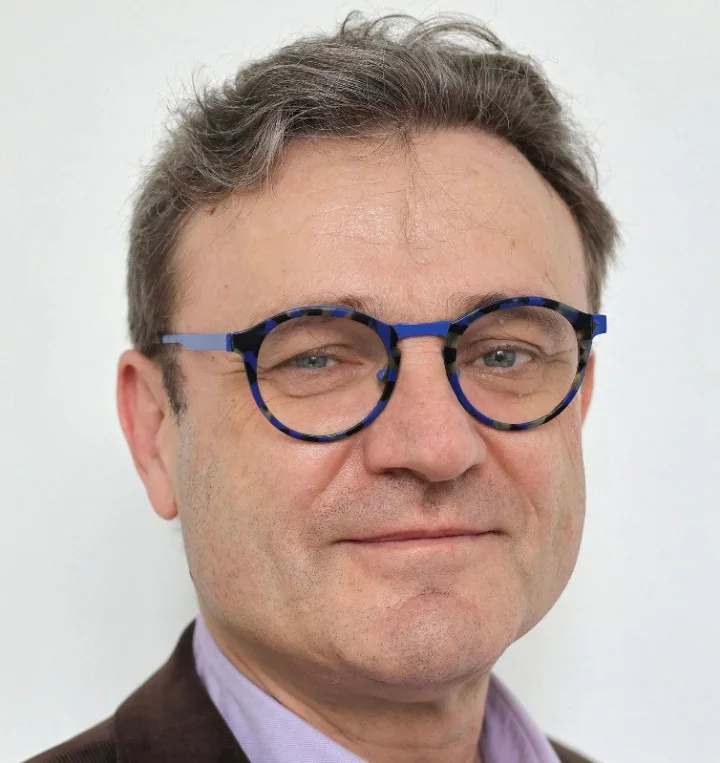
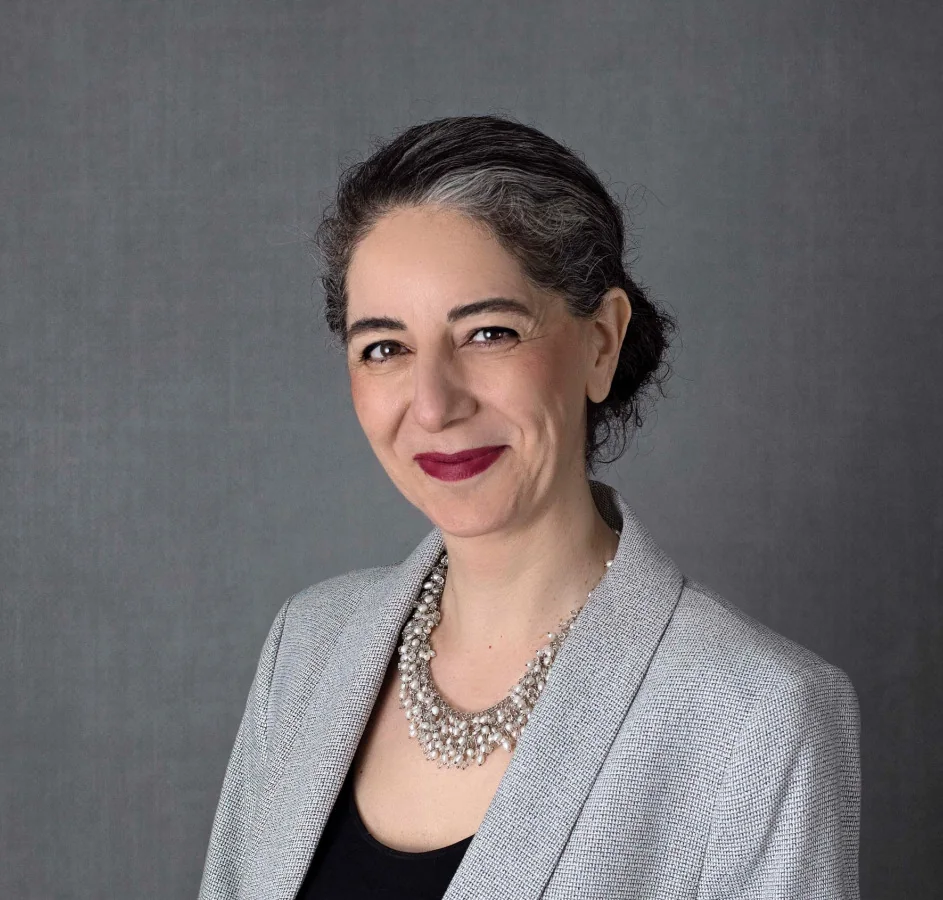
Portrait of Pierre Le Ber

Pierre Le Ber

Pierre Le Ber is an engineer and PhD in pharmacology with over 30 years of experience in life-sciences research, both in biotechnology companies and academic research. His international career, extensive travels and multilingual family life have constantly renewed his desire to immerse himself in other cultures and ways of seeing the world.

Passionate about the history of science and science education, and as the father of two daughters, Pierre is particularly sensitive to the invisibility of women in science and society in general, which unfortunately persists in many countries. The right of women to education, on an equal footing with men, remains a major challenge for the development of our societies.

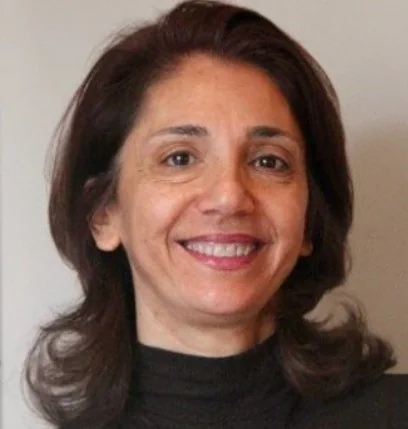
Portrait of Maryam Mousavi

Maryam Mousavi

Maryam Mousavi immigrated to Canada in her twenties, gaining a second chance to build a life grounded in safety, opportunity and belonging. This experience deepened her understanding of the challenges women face under systems of gender-based restriction and strengthened her commitment to justice and inclusion.

Trained in optometry, Maryam built her career on empathy, listening and trust—values that now guide her humanitarian and advocacy work. She has been active in cultural and social initiatives, including helping to organise a Fête de la Musique concert in support of Woman, Life, Freedom and co-coordinating a three-day conference at the Sorbonne.

In 2024, Maryam was invited to meet with and attend a meeting held by the UN Fact-Finding Committee in Paris, where she engaged with the team’s work on documenting human-rights violations. She is now actively involved in Azadaneh’s collaborative projects, working to raise awareness and strengthen advocacy at both grassroots and institutional levels.

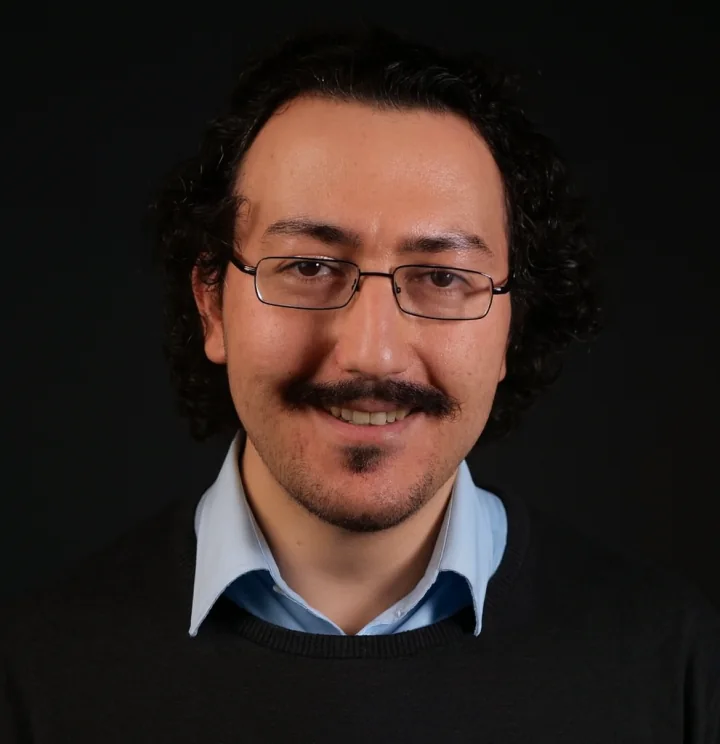
Portrait of Faramarz Kohan

Faramarz Kohan

Faramarz Kohan’s academic background is in theoretical chemistry, and he has worked as a researcher and lecturer in Austria and Germany. His current focus is on applying analytical and scientific approaches to better understand broader socio-economic and political dynamics, and to support efforts aimed at exploring pathways toward democratic progress and inclusive leadership within the Iranian community.

He is the president of Kavian Association, an effort to establish a democratic institution for the Iranian diaspora. Faramarz joined the Together Against Gender Apartheid campaign due to the vital importance of the women’s movement and its central influence on the pursuit of freedom and dignity in Iranian society. The philosophical basis of this work draws from concepts of modern theories of justice, with particular attention to promoting the economic empowerment of women.

Work with us

Solidarity grows through participation.

We welcome collaboration, volunteer support and partnerships from people and organisations who share our vision.

Start a conversation